How to Wash Blackout Curtains (Step-by-Step Without Peeling)
Disclosure: As an affiliate, I may earn a commission from qualifying purchases made through my links at no extra cost to you.

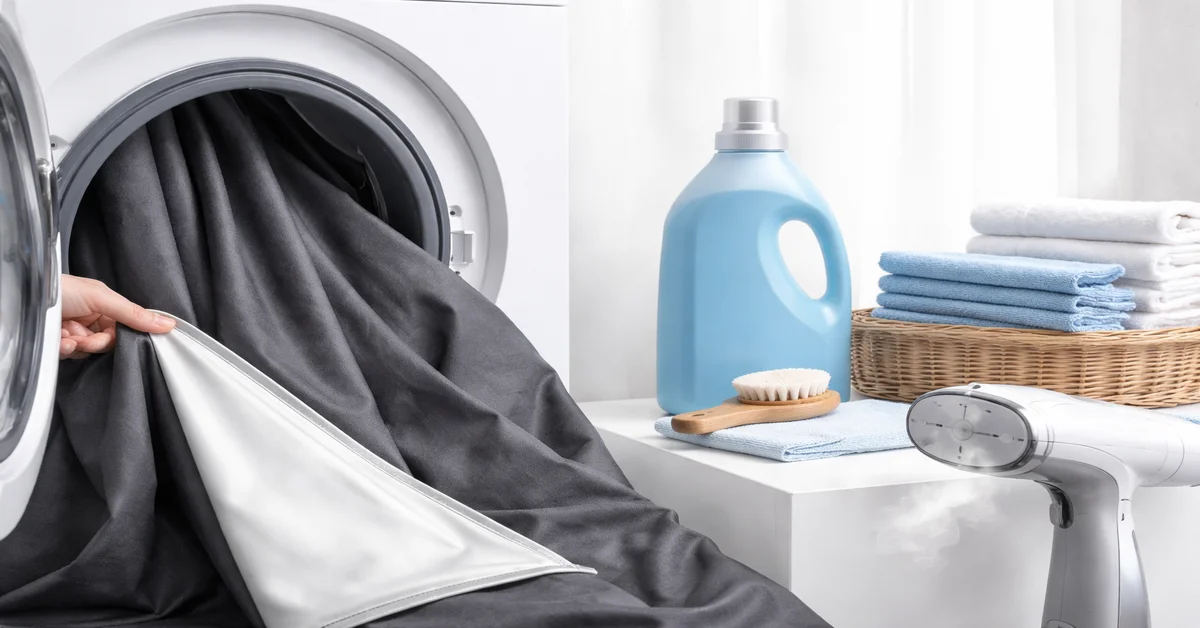
Blackout curtains are a powerful design element and a practical essential. They block unwanted light, reduce noise, improve energy efficiency, and add depth to any room. But when it comes time to clean them, many people worry about one thing: peeling.
The rubber or foam backing that gives blackout curtains their light-blocking power can easily crack or separate if washed incorrectly. The good news? With the right step-by-step method, blackout curtains can be cleaned safely without peeling, fading, or damage.
This complete guide explains exactly how to wash blackout curtains while protecting their structure, texture, and performance.
Why Blackout Curtains Peel
Before cleaning, it helps to understand why peeling happens.
Most blackout curtains include a coated backing made of:
- Foam
- Acrylic
- Rubberized thermal lining
- Triple-weave fabric layers
Peeling typically occurs due to:
- Hot water washing
- High heat drying
- Harsh detergents
- Aggressive spin cycles
- Frequent improper washing
The key to washing blackout curtains without peeling is gentle handling and controlled temperatures.
Step 1: Check the Care Label First
Every blackout curtain is different. Always check the manufacturer’s care instructions before washing.
Look for guidance such as:
- Machine washable (cold only)
- Hand wash recommended
- Spot clean only
- Dry clean only
If the label says “dry clean only,” avoid machine washing to prevent coating damage.
Step 2: Remove Dust Before Washing
Dust buildup can harden the backing over time, making it more prone to cracking during washing.
How to Pre-Clean Blackout Curtains
- Remove the curtains from the rod.
- Shake them outdoors to release loose debris.
- Use a vacuum with a brush attachment to gently remove dust.
- Pay attention to pleats and folds.
For easier maintenance between washes, a Handheld Vacuum Cleaner is ideal for curtain cleaning and fabric care.
Step 3: Spot Clean Stains First
If the curtains have small stains, spot cleaning may be enough.
How to Spot Clean Safely
- Mix mild detergent with cold water.
- Use a soft microfiber cloth.
- Gently dab (never scrub) the stained area.
- Rinse with a damp cloth.
- Allow to air dry fully before rehanging.
A Microfiber Cleaning Cloth Set helps prevent fabric abrasion during spot cleaning.
Step 4: Machine Wash (If Approved)
If the label allows machine washing, follow these protective steps carefully.
Best Settings for Washing Blackout Curtains
- Water temperature: Cold only
- Cycle: Gentle or delicate
- Detergent: Mild, non-bleach formula
- Load size: Wash alone or with lightweight items only
Avoid:
- Fabric softeners
- Bleach
- Heavy loads
- Hot water
Using a Gentle Liquid Laundry Detergent designed for delicate fabrics, helps preserve the curtain’s backing.
Important Tip
Turn curtains inside out before washing to reduce friction on the coated side.
Step 5: Never Use High Heat
Heat is the number one cause of blackout curtain peeling.
Drying Guidelines
- Do NOT use high heat in the dryer.
- Avoid tumble drying if possible.
- Never iron directly on the blackout backing.
Best Drying Method
Air drying is the safest option.
- Hang curtains immediately after washing.
- Smooth out wrinkles by hand.
- Allow them to dry naturally.
If using a dryer is necessary:
- Select no heat or air-fluff mode.
- Remove while slightly damp.
- Hang to finish drying.
A Heavy-Duty Curtain Rod can support damp curtains safely during air drying.
Step 6: Steam Instead of Ironing
Wrinkles are common after washing, but ironing can melt or crack the blackout lining.
Instead:
- Use a garment steamer on low setting.
- Steam from the fabric side only.
- Keep distance from the backing layer.
A Handheld Garment Steamer is ideal for removing wrinkles without heat damage.
How Often Should Blackout Curtains Be Washed?
To prevent wear and peeling:
- Deep wash: Every 6–12 months
- Vacuum: Monthly
- Spot clean: As needed
Frequent washing accelerates coating breakdown. Light maintenance extends curtain life significantly.
Can You Hand Wash Blackout Curtains?
Yes—hand washing is often the safest method.
How to Hand Wash
- Fill a bathtub with cold water.
- Add mild detergent.
- Submerge curtains gently.
- Swish lightly (do not wring).
- Rinse thoroughly with cold water.
- Press out excess water without twisting.
- Air dry immediately.
This method minimizes mechanical stress on the backing layer.
Signs Your Blackout Curtains Are Damaged
Even with proper care, aging can cause deterioration.
Watch for:
- Flaking or cracking backing
- Stiff or brittle texture
- Fading in sunlight areas
- Loss of light-blocking performance
If peeling has already started, washing may worsen the issue. Replacement may be more practical at that stage.
Pro Tips to Prevent Future Peeling
Protect blackout curtains long-term with these strategies:
- Keep away from direct, harsh sunlight when possible.
- Maintain indoor humidity levels.
- Avoid overcrowded washing machines.
- Store folded loosely in cool, dry areas.
- Clean gently and infrequently.
Consistent gentle care is far more effective than aggressive deep cleaning.
Frequently Asked Questions
Can blackout curtains shrink?
Yes. Hot water and high heat drying can cause shrinkage. Always use cold water and air dry.
Can blackout curtains be dry cleaned?
Some can, depending on the label. Professional dry cleaning may help preserve delicate coatings.
Why do blackout curtains smell after washing?
Improper drying can trap moisture. Always allow complete air drying before rehanging.
Final Thoughts
Blackout curtains are an investment in comfort, sleep quality, and energy efficiency. Cleaning them correctly ensures they remain effective and visually appealing for years.
By using cold water, gentle detergent, air drying methods, and careful handling, blackout curtains can be washed without peeling or damaging their protective backing.
A simple maintenance routine monthly dust removal, occasional spot cleaning, and careful washing keeps them fresh while preserving their light-blocking performance.
With the right approach, blackout curtains stay smooth, functional, and beautifully structured, ready to frame every room in comfort and calm.