How to Make Restaurant-Quality Salads at Home
Disclosure: As an affiliate, I may earn a commission from qualifying purchases made through my links at no extra cost to you.

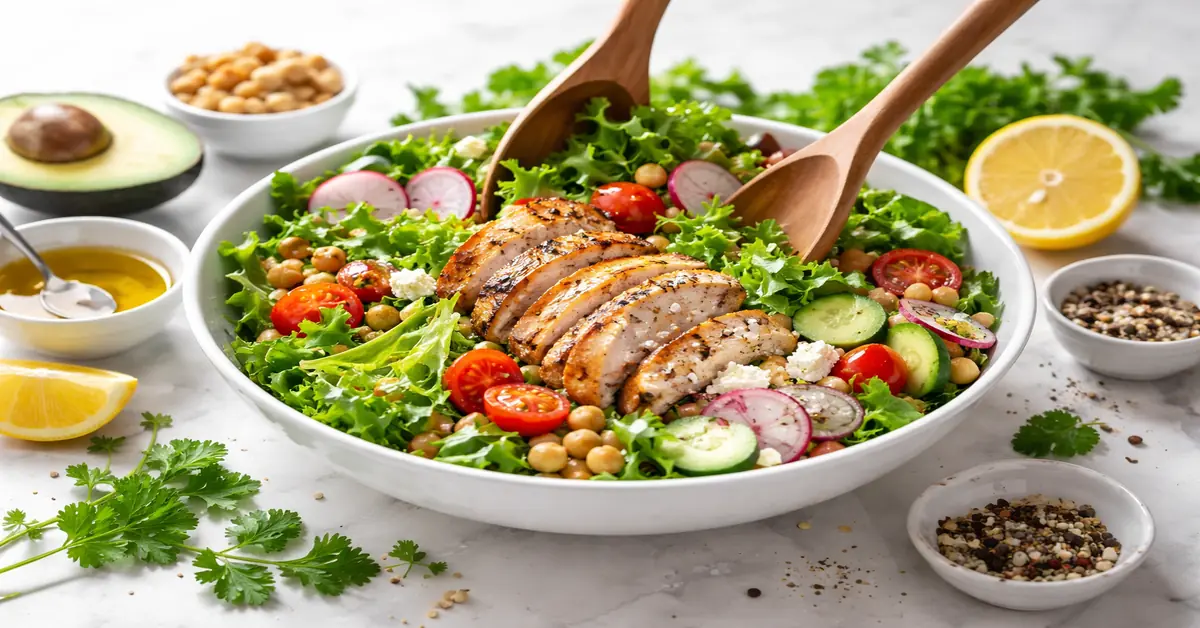
Learning how to make restaurant-quality salads at home is easier than most people think. Restaurants don’t rely on magic ingredients; they focus on freshness, balance, and smart techniques. With the right steps, tools, and a little practice, you can create salads that taste just as good as those from your favorite café or bistro, right in your own kitchen.
This guide breaks everything down into simple, practical steps. You’ll learn what chefs do differently, how to avoid beginner mistakes, and how to elevate everyday salads into something special.
Why Restaurant-Quality Salads Taste Better
Restaurant salads stand out because they focus on details, not complexity.
What Restaurants Do Differently
- Use very fresh produce
- Balance texture, flavor, and temperature
- Dress salads lightly and evenly
- Add contrast (crunchy, creamy, acidic)
For example, a restaurant Caesar salad tastes better not because of rare ingredients, but because the lettuce is cold, dry, and evenly coated with dressing, never soggy.
Step-by-Step Guide: How to Make Restaurant-Quality Salads at Home
Step 1: Start With Fresh, Crisp Greens
Fresh greens are the foundation of restaurant-quality salads.
Best choices:
- Romaine for crunch
- Arugula for peppery flavor
- Mixed greens for variety
- Butter lettuce for softness
Pro tip: Wash greens in cold water and dry them completely. A salad spinner helps a lot.
👉 High-quality salad spinner
Step 2: Layer Flavors Like a Chef
Restaurants never rely on lettuce alone.
Add at least one from each group:
- Crunch: nuts, seeds, croutons
- Sweet: fruit, roasted vegetables
- Creamy: cheese, avocado
- Savory: olives, grilled chicken, eggs
This balance is key to making restaurant-style salads at home.
Step 3: Use Restaurant-Style Salad Dressings
Great dressing makes or breaks a salad.
Simple formula chefs use:
- 3 parts oil
- 1 part acid (lemon juice or vinegar)
- Salt and pepper
Optional extras: mustard, honey, garlic, herbs
👉 Olive oil and vinegar cruet set
Step 4: Dress the Salad the Right Way
This is where beginners often go wrong.
Do this instead:
- Add dressing slowly
- Toss gently with clean hands or tongs
- Stop when greens look lightly coated, not wet
Restaurant-quality salads are glossy, not dripping.
Step 5: Add Protein Like a Pro
Protein turns a salad into a full meal.
Popular restaurant options:
- Grilled chicken
- Seared salmon
- Boiled or poached eggs
- Chickpeas or tofu
Step 6: Finish With Texture and Garnish
Restaurants always finish strong.
Try:
- Toasted nuts
- Fresh herbs
- Grated cheese
- A squeeze of lemon
Small finishing touches make homemade salads feel professional.
Common Mistakes Beginners Make
- Using Wet Greens: Water dilutes dressing and kills flavor.
- Overdressing the Salad: Too much dressing makes salads heavy and soggy.
- Skipping Seasoning: Even salads need salt and pepper.
- Mixing Everything at Once: Restaurants add delicate toppings last to keep them fresh.
Turning a Basic Salad Into a Bistro Favorite
Home version: Lettuce, tomato, store-bought dressing
Restaurant-style upgrade:
- Crisp romaine
- Cherry tomatoes
- Shaved Parmesan
- Homemade lemon vinaigrette
- Toasted breadcrumbs
- Grilled chicken
Same ingredients, category, better technique.
Tools That Make Restaurant-Quality Salads Easier
You don’t need many tools, but these help:
These tools improve consistency and save time.
Why Homemade Salads Win?
Many home cooks say restaurant salads feel expensive for what they are. Once you learn how to make restaurant-quality salads at home, you gain:
- Better portion control
- Fresher ingredients
- Lower cost per meal
- Full control over flavors
This is why salad-making skills quickly become a kitchen favorite.
FAQs: How to Make Restaurant-Quality Salads at Home?
How do restaurants keep salads so crisp?
They dry greens completely and keep them cold until serving.
What’s the best oil for salad dressing?
Extra virgin olive oil is the most common. Avocado oil also works well.
Can I meal prep restaurant-style salads?
Yes. Keep dressing and toppings separate until serving.
How long should homemade dressing last?
Most vinaigrettes last 5–7 days in the fridge.
Sources & References
- Harvard Health – Healthy Oils Guide
- Serious Eats – Salad Dressing Basics
- Bon Appétit – How Chefs Build Better Salads
Final Thoughts
Learning how to make restaurant-quality salads at home isn’t about copying recipes; it’s about understanding technique. With fresh ingredients, smart layering, and light dressing, you can create salads that look beautiful, taste balanced, and feel truly satisfying.
Once you master the basics, every salad becomes an opportunity, not an afterthought.