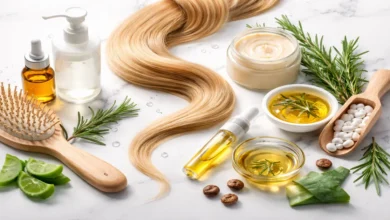
Hair Growth Tips for Black Women: Master Length Retention
Disclosure: As an affiliate, I may earn a commission from qualifying purchases made through my links at no extra cost to you.

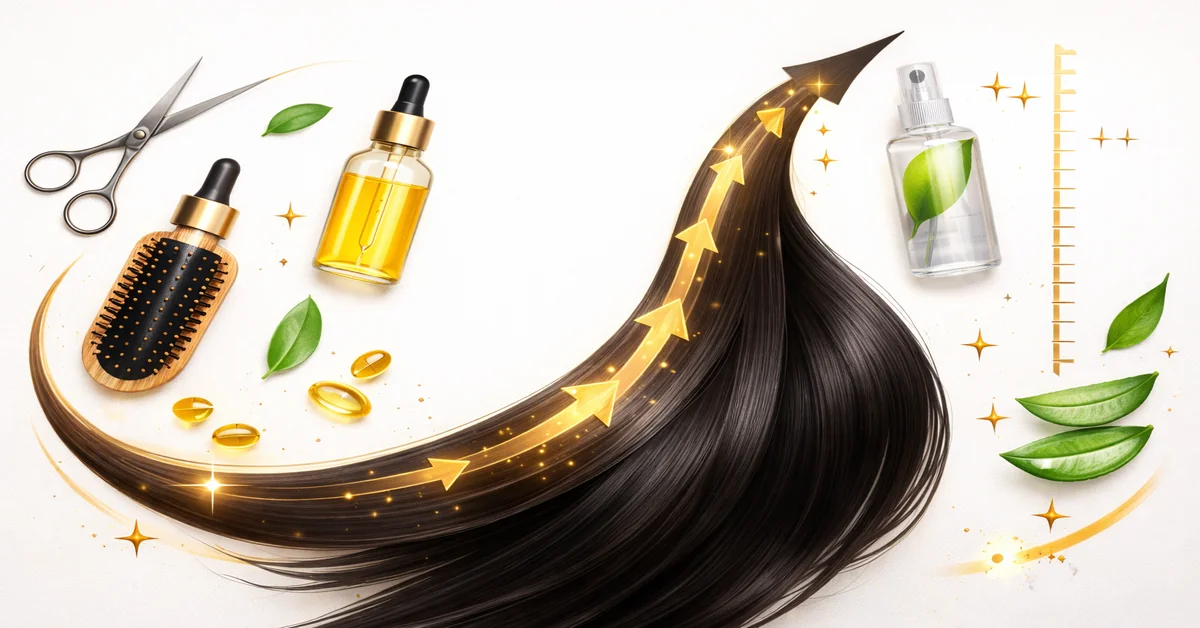
Unlocking the full potential of your hair is a journey that combines traditional wisdom with modern science. For Black women, hair growth is often less about the speed of growth since all hair grows at a relatively consistent rate and more about length retention and scalp health. By understanding the unique structure of tightly coiled and kinky textures, it is possible to create a flourishing environment for every strand.
1. Prioritize Scalp Health as the Foundation
Healthy hair begins beneath the surface. A clean, stimulated scalp ensures that follicles are not obstructed by product buildup or environmental pollutants.
- Gentle Cleansing: Use a sulfate-free shampoo every 7 to 14 days. Sulfates can strip the hair of natural sebum, leading to the dryness that causes breakage.
- Scalp Stimulation: Incorporate a weekly massage using a silicone scalp massager. This increases blood circulation to the follicles, which can help deliver essential nutrients more effectively.
- Targeted Treatments: For those experiencing thinning at the crown or edges, a rosemary hair oil can serve as a natural stimulant. Clinical studies have suggested that rosemary oil can be as effective as some over-the-counter treatments for promoting density.
2. Master the Art of Moisture Retention
Because sebum has a difficult time traveling down the twists and turns of coily hair, manual hydration is essential. The goal is to “trap” water inside the hair shaft.
The LOC/LCO Method
This layering technique is a gold standard for long-term hydration:
- L (Liquid/Leave-in): Start with water or a water-based leave-in conditioner.
- O (Oil): Apply a thin layer of oil to seal the water in. Popular choices include Jamaican black castor oil for thickness or jojoba oil for a lighter feel.
- C (Cream): Finish with a thick moisturizing hair butter or cream to smooth the cuticle and provide a final barrier against the air.
3. Low-Manipulation and Protective Styling
Constant combing and heat styling create friction that leads to “micro-breakage.” Protective styles help by “tucking” the ends away and giving the hair a rest.
- Tension-Free Styles: Options like knotless braids, two-strand twists, and crown braids are excellent. However, ensure they are not installed too tightly, as this can lead to traction alopecia.
- The Power of Satin: Cotton pillowcases act like sponges, soaking up your hair’s moisture and causing friction. Switch to a satin or silk bonnet or a silk pillowcase to keep hair smooth and hydrated overnight.
4. Strengthening Through Protein and Nutrition
While moisture provides elasticity, protein provides the structural integrity needed to prevent snapping.
- Deep Conditioning: Use a protein-enriched deep conditioner once a month to patch “gaps” in the hair cuticle.
- Internal Support: Hair is primarily made of a protein called keratin. Ensuring your diet is rich in biotin, iron, and omega-3 fatty acids supports the growth cycle from the inside out. Many find that a dedicated hair growth supplement helps bridge nutritional gaps.
Conclusion
Consistent care is the most important factor in any hair growth journey. By focusing on gentle handling, intense moisture layering, and a “scalp-first” mindset, you can protect your length and encourage a thicker, healthier mane. Remember that hair health is a marathon, not a sprint. Patience and the right tools make all the difference.